Generative AI in Gaming Gains Momentum but Faces Industry-Wide Resistance at Game Developers Conference 2026
 Date: 31/03/2026
Generative AI is making its way into the gaming industry, but its adoption remains cautious as both developers and players raise concerns about its impact. At the Game Developers Conference 2026 (GDC 2026), the technology was a key talking point, with companies showcasing early implementations while facing visible skepticism from the broader gaming community.
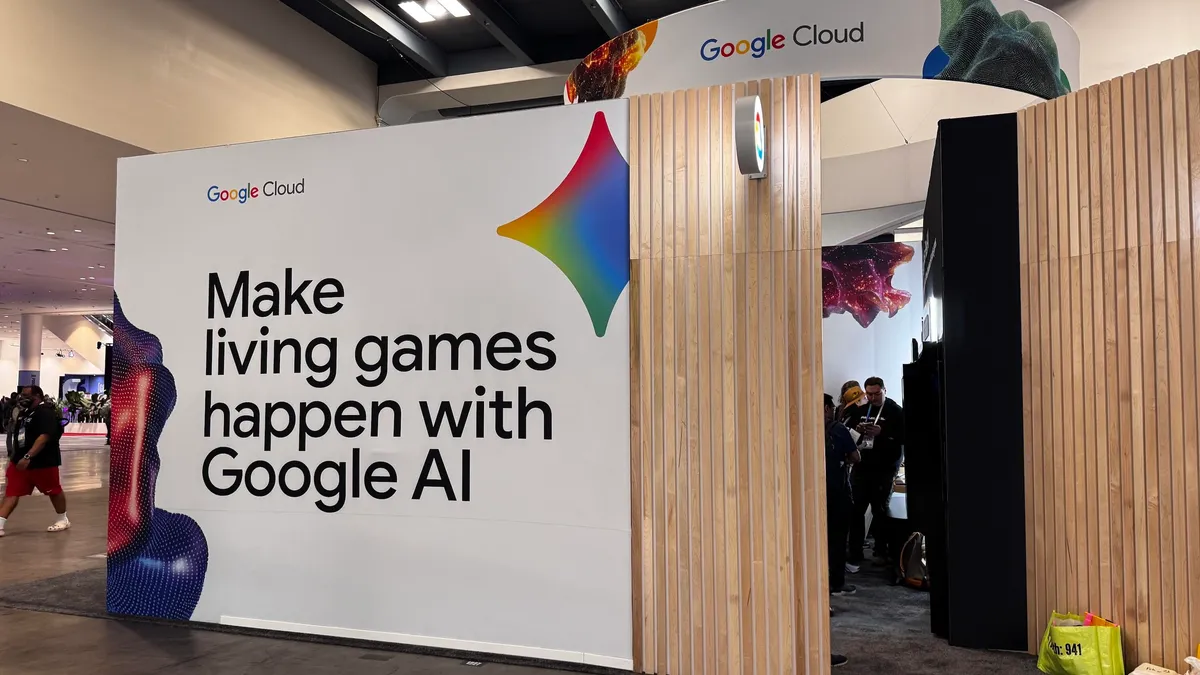
Google highlighted its AI ambitions by demonstrating games powered by its Gemini platform. These demos included features like AI-generated nonplayer character (NPC) conversations and dynamic in-game assistance. However, most of these applications remain experimental and have yet to appear in major commercial titles.
At the same time, Nvidia sparked controversy with its latest DLSS 5 technology, which includes AI-driven visual enhancements. The feature drew backlash from gamers for altering character designs without developer input, raising concerns about creative control and artistic integrity.
Limited Adoption Despite Growing InterestAccording to industry insights shared at GDC, over half of gaming companies are experimenting with generative AI, but only a smaller percentage of developers actively use it in their workflows. Most applications remain behind the scenes, such as brainstorming ideas, assisting with coding, or handling administrative tasks.
Developers have expressed concerns about the reliability of AI-generated outputs, noting that human intervention is often required to fix errors. In some cases, this reduces the efficiency gains that AI tools promise to deliver.
Experimental Use Cases in GamingA few studios are exploring practical applications of generative AI. For instance, emerging titles are using AI to allow players to interact more freely with game environments or generate custom in-game assets. In one example showcased at GDC, AI was used to convert 2D images into 3D objects within a game, enabling players to create personalized items.
Despite these innovations, large-scale adoption remains limited. Major gaming companies have largely avoided integrating generative AI into finished products, reflecting both technical limitations and sensitivity to player sentiment.
Growing Pushback From Gamers and DevelopersResistance to generative AI is growing across the gaming ecosystem. Players have shown strong reactions against undisclosed AI usage, particularly when it replaces human-created art or narrative elements. Concerns about originality, quality, and transparency are central to this backlash.
Developers share similar reservations. Many worry about the ethical implications of AI, including its potential impact on jobs, the use of copyrighted material in training data, and environmental costs. Industry professionals emphasize that AI should function as a supportive tool rather than a replacement for creative work.
A Technology Still Finding Its PlaceWhile generative AI holds promise for transforming game development and gameplay, its role remains uncertain. Compared to past technological shifts, such as the rise of the internet, adoption has been slower and more cautious.
Some developers believe AI will eventually find a place in areas like early-stage ideation or workflow optimization. However, until it can deliver consistent quality and address ethical concerns, widespread acceptance is unlikely.
For now, generative AI in gaming remains in its early stages—an evolving technology with potential, but one that must overcome significant resistance before becoming a mainstream part of the industry.


.jpg)


.jpg)
.jpg)

