Google Deepens AI Integration in Android, Signaling Shift Toward AI-First Smartphones
 Date: 18/05/2026
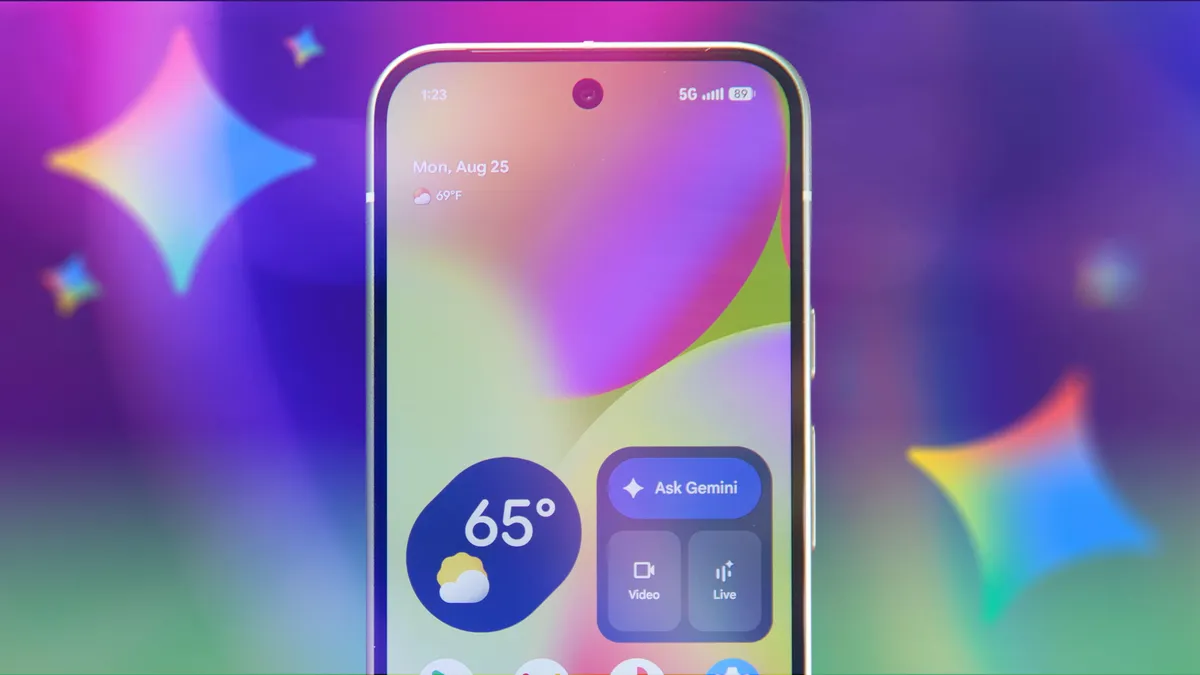
Google is taking a significant step toward redefining the smartphone experience by embedding its AI model, Gemini, more deeply into the Android ecosystem. The latest update introduces “Gemini Intelligence,” a system designed to act as a proactive assistant capable of managing tasks across apps—potentially reshaping how users interact with their devices.
Unlike earlier AI features that operated within specific apps, Gemini Intelligence functions as a cross-platform layer within Android. This allows it to perform multi-step tasks such as filling out forms, scheduling appointments, making reservations, and even generating shopping orders—without requiring users to switch between applications.
The update reflects Google’s broader ambition to move beyond app-based interactions toward a more unified, AI-driven experience. By enabling Gemini to access and utilize data from connected services like Google Drive, the assistant can autofill complex information, streamline workflows, and reduce manual input.
Initially, these capabilities will roll out on upcoming premium devices, including new Google Pixel and Samsung Galaxy models. Google also plans to extend Gemini Intelligence across its wider ecosystem, including Android Auto, Wear OS, and smart glasses, aiming for a consistent AI experience across devices.
The development comes as the tech industry increasingly shifts toward “AI-first” design. Instead of relying on multiple standalone apps, future smartphones may center around intelligent assistants that handle tasks through natural language commands. Industry analysts suggest this could fundamentally change user behavior, focusing less on navigating apps and more on achieving outcomes.
Google’s approach does not eliminate apps entirely but reduces reliance on them by automating routine actions. Features like enhanced voice typing—capable of filtering out corrections and filler words—and multilingual input further highlight the move toward seamless, intuitive interactions.
This strategy also positions Google competitively against rivals like Apple, which is still evolving its AI capabilities, and emerging players exploring AI-centric devices. Reports of AI-focused smartphones from companies like OpenAI and Amazon indicate that the race toward AI-driven hardware is accelerating.
While the long-term vision of fully replacing apps remains uncertain, Google’s latest Android update offers a clear glimpse into the direction smartphones are heading—where AI handles everyday tasks in the background, and user interaction becomes more conversational and outcome-focused.
As adoption grows, the key challenge will be user trust and comfort in allowing AI to take on a more autonomous role. Still, with Gemini Intelligence, Google is laying the groundwork for what could become the next major evolution in mobile computing.


.jpg)


.jpg)
.jpg)

