Nano Banana Pro Review: Google’s Hyper-Realistic AI Image Generator Raises Innovation — and Alarms
 Date: 08/12/2025
Google’s new AI image generation system, Nano Banana Pro (powered by Gemini 3 Pro Image), is redefining what’s possible in digital media — and simultaneously blurring the last remaining lines between reality and AI. The model’s capabilities are so advanced that experts say it may be too good for comfort.
The Nano Banana family includes two versions: the original Gemini 2.5 Flash Image and the upgraded Gemini 3 Pro Image, known as Nano Banana Pro. Both arrived only a few months ago, but the Pro variant has already become Google’s most powerful and controversial image model to date.
A New Level of RealismNano Banana Pro uses Gemini 3’s advanced reasoning engine, which allows the model to generate ultra-detailed visuals and — for the first time in the industry — integrate long, fully legible text inside images. This level of precision is unmatched by competitors like OpenAI’s Sora or Midjourney.
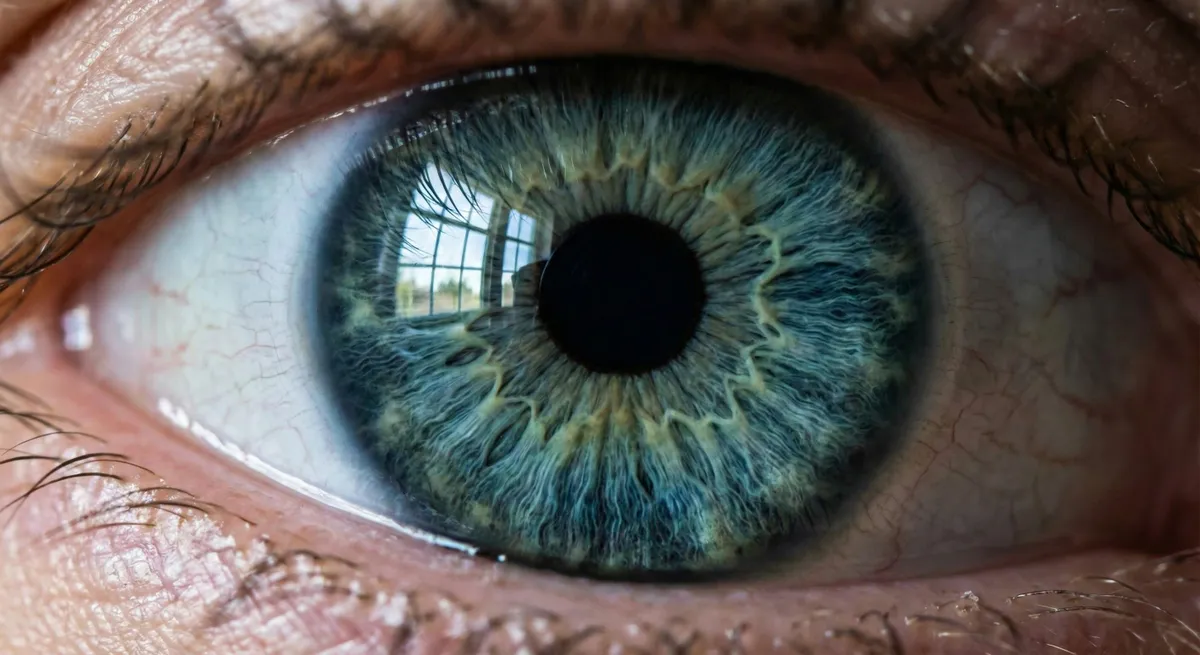
CNET tests found that Nano Banana Pro’s results were so lifelike that even trained eyes struggled to distinguish its creations from real photos. Subtle lighting reflections, perfect skin textures, and accurate brand logos all pushed the model’s realism into unsettling territory.
The model is also highly obedient to prompts. It replicates specific aesthetics, layouts and color schemes with uncanny accuracy. For example, when prompted to create a fictional UNC vs. Duke basketball score, the AI perfectly rendered ESPN’s broadcast style — right down to screen reflections.
A Powerful Tool With a Dangerous EdgeBut this sophistication comes with a darker side. Nano Banana Pro can easily create misleading infographics, inaccurate product mockups, and fabricated scenes that look completely authentic. Even when instructed to use CNET’s verified data, the model generated incorrect specifications about the upcoming iPhone 17, blending rumors, outdated leaks, and AI hallucinations.
Because the images look real and the text is clean, misinformation becomes far harder to detect — especially for casual viewers.
This issue is compounded by the fact that Google removes its visible sparkle watermark from certain images. While invisible SynthID markers remain embedded, detection tools are inconsistent and inaccessible to most users.
Editing Capabilities Take a Massive LeapNano Banana Pro also dramatically improves Google’s image-editing features. It handles lighting adjustments, background replacement, and scene recreation far better than the original model. In one test, it convincingly inserted a family photo into a snowy football stadium setting, tricking viewers who believed it was real.
However, some limitations remain. Complex edits — such as removing reflections or combining multiple reference photos — still introduce distortions or AI-generated artifacts. Gemini’s editing interface also lacks the deep manual controls found in professional platforms like Photoshop or Canva.
A Future-Defining Technology — With RisksNano Banana Pro is arguably the most impressive AI image model ever tested, but its capabilities raise serious concerns. Its ability to generate convincing but inaccurate visuals could easily fuel misinformation, propaganda, or identity-based manipulation — especially on social platforms already struggling with deepfake content.
As generative media becomes more sophisticated, experts warn that users must stay vigilant. If AI-generated images become indistinguishable from reality, verifying what we see online will become increasingly difficult.
ConclusionNano Banana Pro is a milestone in AI creativity — breathtakingly powerful, shockingly realistic, and easy enough for anyone to use. But its strengths also represent a turning point for digital media. As AI systems get better at mimicking reality, the risk of misuse and confusion grows.
Google’s newest model may well define the next era of generative content. The question now is whether the world is ready for what comes next.


.jpg)


.jpg)
.jpg)

