iOS 26 Brings ‘Adaptive Power’ to Boost iPhone Battery Life
 Date: 23/02/2026
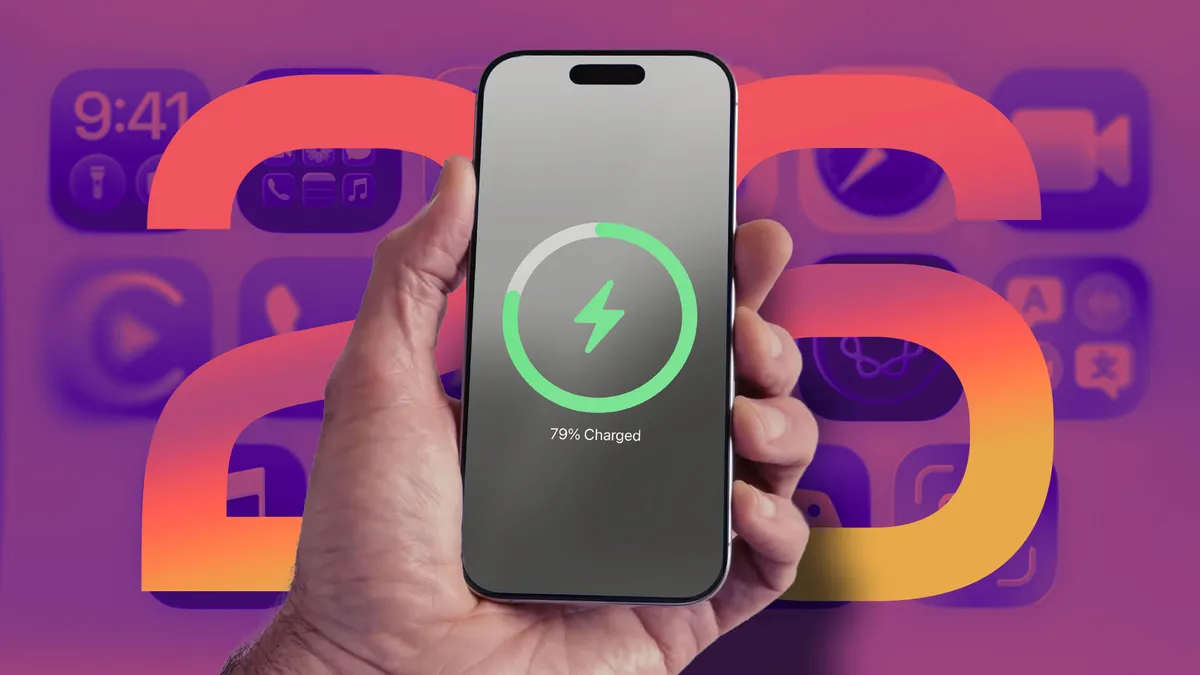
Battery life remains one of the most influential factors in smartphone usage, and Apple Inc. is taking a more intelligent route to improve it. With iOS 26, the company has introduced Adaptive Power, a feature that uses AI to optimize battery consumption in real time—without requiring constant user control.
Traditionally, iPhones rely on features like Low Power Mode to extend battery life by limiting background activity and reducing performance. Adaptive Power, however, takes a more refined approach. Instead of broadly cutting down power usage, it makes subtle adjustments based on how the device is being used at any given moment. This allows the system to conserve energy during intensive tasks such as gaming, video recording, or photo editing, while maintaining a smooth user experience.
At the core of this feature is Apple Intelligence, which enables the device to analyze usage patterns directly on the phone. Over the first few days of use, Adaptive Power studies behavior—such as app usage, screen time, and processing demands—before actively applying optimizations. Once calibrated, it predicts when additional power efficiency is needed and adjusts performance accordingly.
Apple describes Adaptive Power as a background feature that works automatically, requiring minimal intervention. Users may occasionally receive notifications when the system is actively adjusting performance to extend battery life, but in most cases, the changes are designed to be unnoticeable.
The feature is currently available only on iPhones that support Apple Intelligence. Compatible models include the iPhone 17 lineup, iPhone 16 series, and iPhone 15 Pro variants. On newer devices, Adaptive Power is enabled by default, while users of supported older models can manually activate it through Settings under Battery > Power Mode.
Adaptive Power builds on earlier system-level optimizations, such as the Gaming Mode introduced in iOS 18, but shifts the focus from maximizing performance to balancing performance with efficiency. Rather than delivering peak power at all times, it prioritizes smarter energy distribution based on real-world usage.
This development comes at a time when battery performance is a key driver for smartphone upgrades. By improving efficiency through software, Apple may help users extend the daily usability of their devices and potentially slow down the upgrade cycle.
While it is still early to fully assess its long-term impact, initial feedback suggests that Adaptive Power operates seamlessly, with minimal visible impact on performance or display. As more users adopt iOS 26, a clearer picture will emerge of how effective this AI-driven feature is in delivering consistent battery improvements.
Overall, Adaptive Power signals a shift toward more intelligent, adaptive system management—where devices not only respond to user needs but anticipate them to deliver longer-lasting performance.


.jpg)


.jpg)
.jpg)

